



























Essential Insights | Healthcare Technology | Connected Health
Understanding connected blood pressure monitors, smart scales, pulse oximeters, connectivity, data flow, and what to consider when choosing connected monitoring equipment. As healthcare continues to extend beyond traditional facility walls, connected health monitoring devices are becoming increasingly relevant to home health, transitional care, chronic-condition support, long-term care, community health, and institutional programs. Connected blood pressure monitors, smart scales, and Bluetooth pulse oximeters can make everyday health tracking more convenient by capturing measurements digitally and, depending on the device, connecting those readings to an application or other technology environment. But the value of connected monitoring is about more than simply having a device that transmits data. Buyers should consider how information is collected, accessed, stored, shared, and incorporated into an appropriate workflow. Connected devices can capture and move health information, but connectivity alone does not create clinical integration. Buyers should evaluate the device, data pathway, software requirements, workflow, support, security, and deployment environment together. Essential Cares Supplies (ECSI) is a medical and healthcare equipment distributor and an authorized distributor of MOBI products. ECSI supports individual purchases, home-health equipment needs, patient monitoring kits, pilot programs, institutional requirements, and volume deployments. Traditional health monitors generally display a measurement directly on the device and may store a limited number of readings. Smart or connected devices add another layer: digital connectivity. Allows compatible devices and applications to exchange information over a short-range wireless connection. Some connected devices can transmit or synchronize information through a wireless network. Compatible applications may provide history, graphing, synchronization, sharing, or other device-specific functions. Common categories include connected blood pressure monitors, digital and smart scales, Bluetooth pulse oximeters, and other connected vital-sign and wellness devices. These devices can create patient-generated health data that may be stored, trended, or shared through compatible applications and systems. However, connectivity does not mean a device independently diagnoses or treats a medical condition. The device captures a measurement; the technology may move or store information; clinical interpretation and care decisions remain part of the appropriate healthcare workflow. A simple way to understand connected monitoring is to follow information from the initial measurement through the eventual workflow. Captures a measurement. Creates a digital record. Moves or synchronizes information. Makes information accessible within an appropriate process. Supports an established care or monitoring process when the device and information are incorporated appropriately. Connectivity does not automatically equal clinical integration. A Bluetooth blood pressure monitor paired with a consumer smartphone app is different from an enterprise remote patient monitoring platform with its own data workflows, documentation, review procedures, and technology infrastructure. The appropriate use of connected monitoring depends on the population, program objectives, workflow, and equipment selected. Connected devices may support post-discharge monitoring and follow-up programs by making selected measurements available outside the hospital. Their role depends on the organization’s protocols and the needs of the patient. Devices may support self-monitoring, caregiver education, nurse visits, between-visit tracking, standardized patient kits, and structured home-health programs. Home blood pressure and weight tracking may provide complementary information between treatments when incorporated into an appropriate clinical workflow. These measurements do not replace in-center monitoring, dry-weight determination, clinical assessment, or established dialysis protocols. Display readability, ease of operation, cuff sizing, memory, connectivity requirements, batteries, and training can be important considerations. Connected monitoring devices may be incorporated into community health, public health, veteran, population-health, and other structured programs. Program objectives, target populations, standardization, distribution, training, data handling, and replenishment should be considered before deployment. Remote patient monitoring (RPM) involves collecting physiologic information outside a traditional healthcare setting and transmitting information for appropriate review. Connected devices can be one component of an RPM program, but a connected device by itself is not a complete RPM program. A consumer application may provide useful tracking, history, graphing, or sharing features, but it should not automatically be assumed to replace a clinical system or dedicated RPM platform. Bluetooth, Wi-Fi, and application connectivity allow information to move between compatible devices and systems. Data exchange, export, and compatible systems determine whether information can move beyond the original device environment. Workflow, care-team processes, EHR connectivity, RPM infrastructure, and organizational procedures determine how data can actually be used. A device may connect easily to a smartphone while still requiring additional technology, configuration, or workflow steps before information can be used within an organization’s existing environment. Connected healthcare devices introduce additional considerations around technology, privacy, and lifecycle management. Depending on the device and technology environment, buyers may want to evaluate authentication, data transmission, access controls, software updates, vulnerability management, device lifecycle support, privacy practices, data storage, and vendor security practices. Cybersecurity and privacy should be considered alongside clinical, operational, IT, and procurement requirements before equipment is standardized. The lowest unit price does not always represent the lowest total cost. Evaluate the full ownership, support, accessory, connectivity, and workflow picture. Is the device appropriate for the intended population and application? What current manufacturer and regulatory documentation is available? What does the device measure and how are results presented? Can patients, caregivers, or staff operate it consistently? Bluetooth, Wi-Fi, app, smartphone requirements, export, and storage should all be evaluated. Consider equipment, accessories, support, replacement, training, logistics, and operational requirements over time. The following MOBI connected health devices represent common categories for everyday monitoring, home health equipment, patient kits, and healthcare program applications. An upper-arm connected blood pressure monitor designed for convenient home monitoring and digital tracking. Key Features Common Applications Home health, patient kits, transitional care, community programs, and structured monitoring uses. A connected digital scale designed to make weight tracking and additional body-composition measurements easier to monitor over time. Key Features Body-composition measurements are for informational tracking only and are not medical diagnoses. A compact Bluetooth pulse oximeter designed to provide oxygen saturation and pulse-related measurements for convenient monitoring. Key Features Common Applications Home health equipment, patient monitoring kits, complementary vital-sign tracking, and structured monitoring applications. Product information is provided for educational and procurement purposes. Manufacturer specifications, intended use, regulatory status, connectivity capabilities, software features, and available documentation may change. Verify current manufacturer information before purchase or deployment. Connected devices provide measurements and technology capabilities. They do not independently provide medical diagnosis, treatment, clinical interpretation, or remote patient monitoring services. Essential Cares Supplies provides equipment sourcing and procurement support and does not provide clinical services, medical diagnosis, patient care, clinical interpretation, or remote patient monitoring software platforms. Identify the objective and target population. Choose devices based on measurement needs, usability, connectivity, and workflow fit. Test equipment with a defined group and establish practical success criteria. Create consistent equipment packages, instructions, training, and processes. Expand across additional patients, locations, or programs as appropriate. Plan for replacement devices, accessories, batteries, and recurring supply requirements. ECSI can support the equipment side of this process, from initial evaluation quantities to patient kits, multi-device packages, and larger volume requirements. Essential Cares Supplies is a healthcare equipment and medical supply distributor serving both individual customers and institutional buyers. As an authorized MOBI distributor, ECSI can help customers source connected monitoring equipment for home use, patient kits, pilot programs, healthcare initiatives, and volume requirements. Individual purchases and home-health equipment requirements. Patient monitoring kits and multi-device packages. Evaluation quantities for defined programs and deployment planning. Quotations and program sourcing for healthcare and institutional buyers. Equipment configuration and purchasing consistency across larger requirements. Replacement equipment, accessories, batteries, and recurring needs. A connected blood pressure monitor measures blood pressure and pulse and can transmit or synchronize readings with a compatible application or system. Some can also be used independently without a smartphone connection. No. Bluetooth is a method of transferring information. A complete RPM program can involve equipment, data transmission, clinical protocols, patient participation, documentation, technology infrastructure, and other applicable requirements. They may be incorporated into home monitoring, patient education, self-management, caregiver support, or other structured programs when appropriate. Always evaluate intended use, usability, connectivity, and workflow requirements. They may serve as complementary tools for home or between-treatment monitoring when appropriate protocols support their use. They do not replace in-center monitoring, clinical assessment, dry-weight determination, or professional judgment. Not necessarily. Some devices function independently, while features such as synchronization, history, graphing, or sharing may require a compatible smartphone application. Check the requirements of the specific device before purchase. Consider intended use, current manufacturer documentation, measurement information, cuff sizing, ease of use, accessibility, connectivity, smartphone requirements, data storage, export capabilities, cybersecurity, warranty, accessories, training, logistics, and total cost of ownership. Yes. ECSI is an authorized distributor of MOBI products and can support individual product needs, pilot quantities, patient kits, volume requirements, and related connected monitoring equipment. Explore connected monitoring options for home health, everyday wellness, patient kits, and larger healthcare programs. Educational Notice: This article is provided for general educational and procurement information and is not medical advice. Connected monitoring equipment should be used according to current manufacturer instructions, intended-use information, and applicable organizational procedures. Measurements from connected devices should not be treated as a substitute for professional medical evaluation or clinical judgment. Product specifications, regulatory documentation, software capabilities, connectivity features, and availability may change. Verify current manufacturer information before purchase or deployment.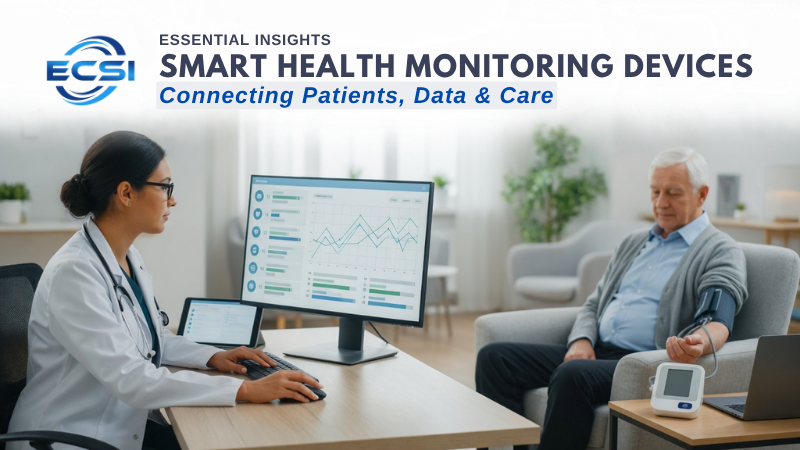
What Are Smart & Connected Health Monitoring Devices?
Bluetooth
Wi-Fi
Apps & Platforms
From Device to Data to Care
Device
Data
Connectivity
Workflow
Care
Where Connected Monitoring Fits
Hospitals & Transitional Care
Home Healthcare
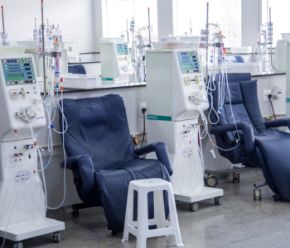
Dialysis & Kidney Care
Long-Term Care
Government & Community Health
The Role of Remote Patient Monitoring and Its Limits
A broader program may also require:
Connectivity vs. Interoperability vs. Clinical Integration
Connectivity
Interoperability
Clinical Integration
Interoperability & Data Flow: Questions to Ask
Cybersecurity & Privacy
What Should You Look for in a Connected Monitoring Device?
Intended Use
Documentation
Measurement
Usability
Connectivity
Total Cost of Ownership
Connected Device Evaluation Checklist
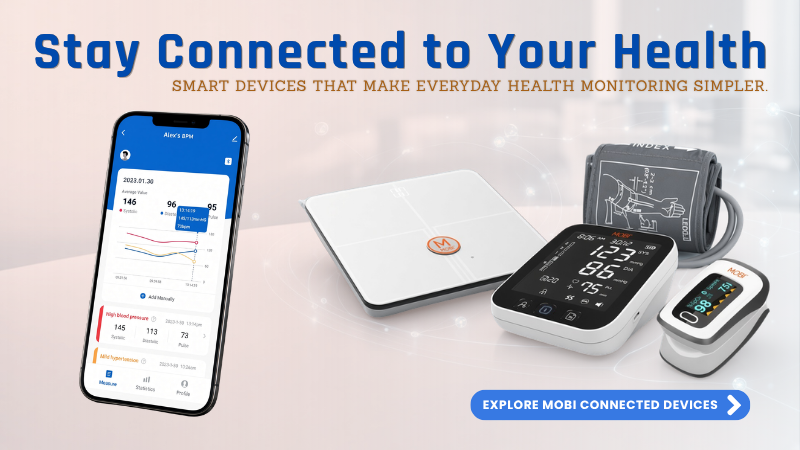
MOBI Connected Monitoring Products
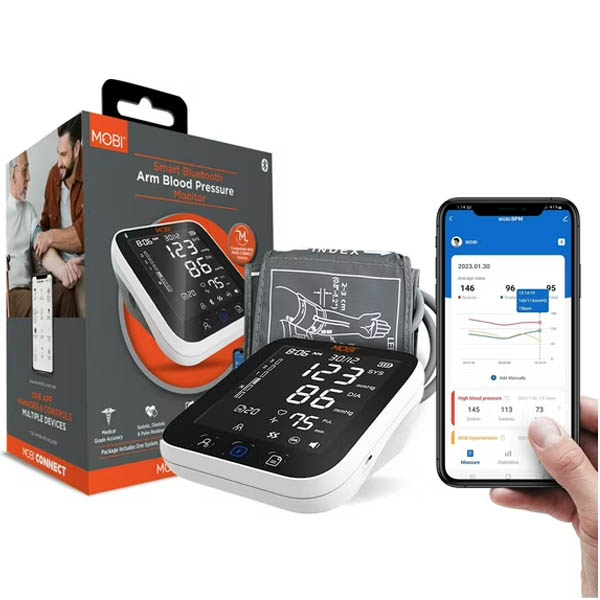
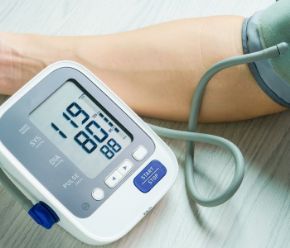
MOBI Smart Bluetooth Arm Blood Pressure Monitor
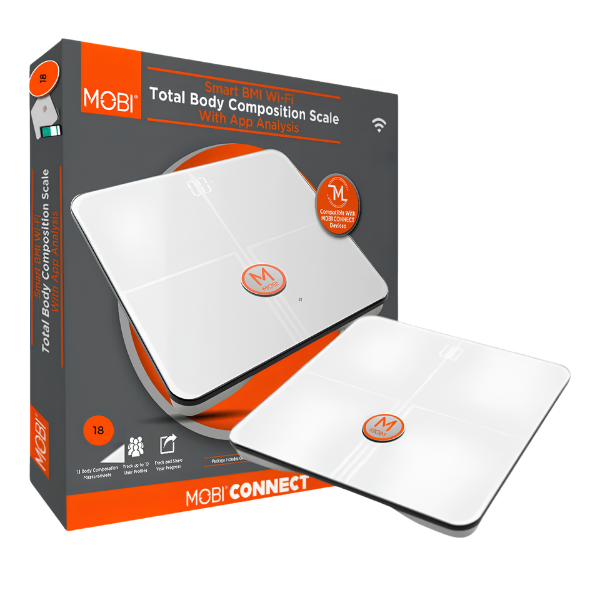
MOBI Smart Connected Scale
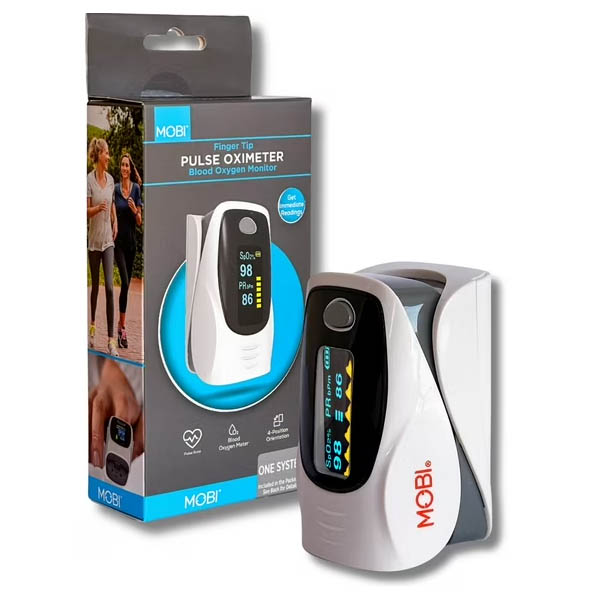
MOBI Smart Fingertip Bluetooth Pulse Oximeter
Building & Scaling a Connected Monitoring Approach
Define
Select
Pilot
Standardize
Scale
Replenish
How ECSI Supports Connected Health
Equipment Sourcing From Initial Need Through Replenishment
Individual & Home Health
Patient Kits
Pilot Quantities
Institutional RFQs
Standardization
Replenishment
Frequently Asked Questions
What is a connected blood pressure monitor?
Does Bluetooth connectivity equal remote patient monitoring?
Can connected devices be used for home health?
Can connected devices be used in dialysis or kidney-care programs?
Do connected devices require a smartphone?
What should I consider before choosing a connected monitoring device?
Can ECSI provide MOBI products?
Stay Connected. Monitor Smarter.
 213-743-1401